Written by Tessa Marks
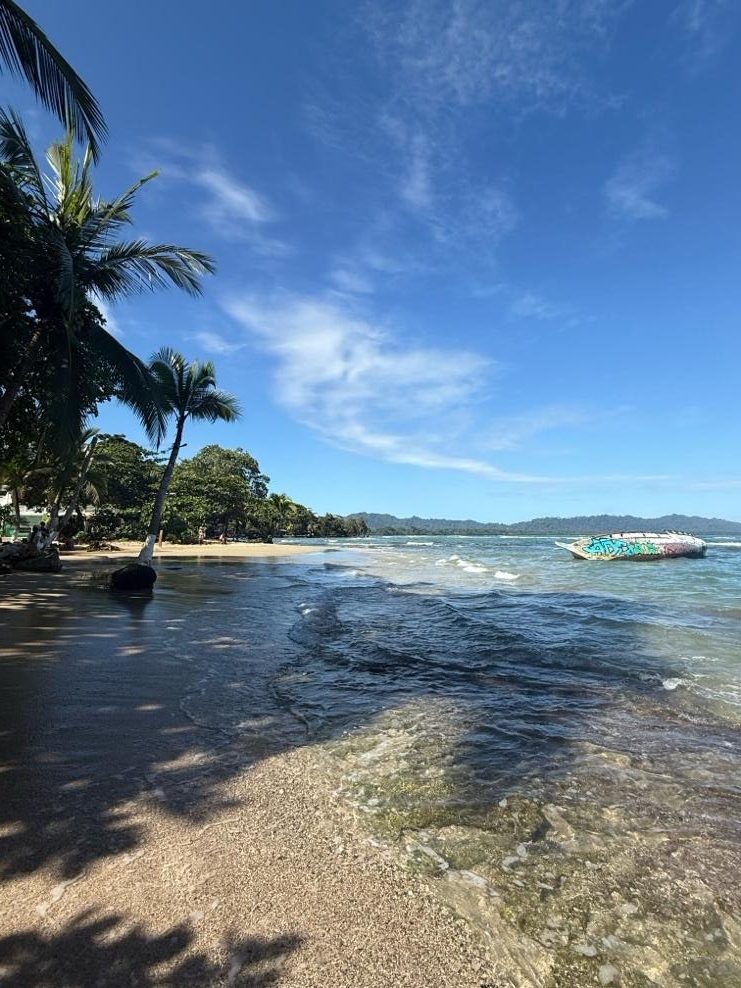
In the days before Christmas, I returned home from visiting Costa Rica, a bit sunburned, with a camera full of vibrant fauna, and a head full of questions about my place as a student, researcher, and tourist. While there, I met virtually with my advisors and partners from Honduras to discuss potential directions for my thesis, which surrounds efforts to protect mangrove forests in regions balancing tourism growth with its impacts. The hypocrisy was not lost on me as we discussed defending tropical environments from people like myself––tourists whose desire for adventure has long been intertwined with economic inequalities, social injustices, and foreign involvement––as I Zoomed in far from my own home. It was not just this call that stirred the guilt at the back of my mind. It was also the thought of my carbon-spewing flights, the locals swerving around us in traffic as we adjusted to unfamiliar roads, my broken Spanish sometimes forcing people to switch to English, and the systems designed for my comfort that came at the expense of local culture and lifestyle.
Through my education I have come to understand the role of shame in righting wrongs against our planet and its people. While that is not to say travel should be laden with guilt (nor that my time abroad was), I have learned to sit with the negatives that I contribute to as a means to do better. It’s easy to remove ourselves from the problem at large, to subconsciously hold the belief that we travel the “right way”, or that somehow we are different from the millions of other tourists filling beach resorts and tromping through forests. What is challenging, and more valuable, is to recognize our own complicity. When we dissolve our entitlement, we create space for understanding our roles in the systems that can uplift or oppress others, sometimes simultaneously.
“When we dissolve our entitlement, we create space for understanding our roles in the systems that uplift or oppress others, sometimes simultaneously.”
As a student of both International Studies and Marine Affairs, I often find myself taking lessons learned from readings, discussions, and projects related to the Washington Coast and applying them to the unique contexts of my regions of interest. Here, I invite others to do the same. As SMEA students, we are academically trained to value nature for both its intrinsic value as well as its importance to human well-being, to think critically about sustainability, and to strive for social and environmental justice. As ambassadors of the environment, I find it vital that we look beyond our own waterways into the great expanse of oceans that connect us all. Travel can help us do just that. It gives us new perspective, challenges our assumptions, and better equips us to address environmental issues at home, of which the causes and consequences extend far beyond our immediate view. That said, how can we as environmentalists bring our values, beliefs, and practices with us when we are away from home?
“How can we as environmentalists bring our values, beliefs, and practices with us when we are away from home?”
Costa Rica is a fitting case study as a country heavily influenced by ecotourism. While it contains true ecological marvels and brims with culture, its image as a “tropical paradise” has made it vulnerable to unsustainable over-tourism. Costa Rica experienced an exponential rise in tourism after 1980, with the industry surpassing revenues of its top export crops and becoming the highest producer of foreign exchange earnings. Across Central America, tourism has brought undeniable economic growth, with Costa Rica (the most visited country in the region) attributing approximately 8% of its Gross Domestic Product to the tourism sector. As a major employer, generating on average between three and four billion USD each year, tourism has notably reduced poverty and provided critical funding for conservation and infrastructure projects.1 Still, as tourism’s footprint has grown, questions have raised about who actually benefits, who bears the burden of its costs, and what sustainable tourism growth can look like.
On a large scale, tourism encourages the construction of accommodations and businesses, can restructure or erase social and cultural norms, and often reinforces power imbalances over landownership, labor, and the flow of profits.2,3 Locally, tourism can strain ecosystems and municipalities, causing habitat degradation, surges in energy demand, waste production that exceeds management capacities, and increased pollution. Some of these impacts might feel out of our control, but there are actions individuals can take to reduce harm and alleviate some of these concerns.
Travel at its worst is extractive, but travel at its best offers an exchange of knowledge, experience, and understanding. Here are some ways I choose to approach travel, aligning my actions with my values as an environmentalist and aiming to explore with intention and responsibility. I do not offer this advice as the expert on travel, nor as the ideal tourist. Like many students in the environmental space, I belong to the very systems I am critiquing. Still, I am searching for ways to do better.
“Travel at its worst is extractive, but travel at its best offers an exchange of knowledge, experience, and understanding.”
Be smart about where you put your money.
Shop local, support small. Eating at small, locally owned eateries is both a fantastic way to support long-term residents and to eat like a local (In Costa Rica, these come in the form of sodas: family-run restaurants serving affordable, traditional food). Aim to buy souvenirs from local artisans in place of mass-produced goods and consider hiring one of the many knowledgeable guides when visiting parks.
Consider where your money goes. Instead of avoiding a national park for its entrance fee and opting for the free trail down the road, educate yourself and consider what that money is funding. Many parks funnel these funds directly back into conservation projects, trail restoration, and staff wages to support the millions of visitors they receive each year. Fewer tourists bypassing the small cost supports sustaining the landscapes that make these experiences possible.
Think about where you lodge.
Large chain hotels and resorts offer convenience and flexibility, but when profits flow to corporate headquarters, your money does less to support the local economy.4 Further, options like Air BnB are attractive for their unique setups and privacy, and are often marketed as a way to feel more like a true resident at a price that fits your budget. However, they are frequently criticized for causing neighborhood gentrification and creating a global shortage of long-term rental options, pushing residents out in order to make space for tourists.5 Instead, I recommend opting for a locally owned hotel or hostel, which are often labeled as such or under listings such as “boutique” or “independent.” Hostels and boutique hotels also allow you to connect with other travelers and speak with the highly knowledgeable locals staffing them on how to best experience the area. You can rest easy knowing that your visit is helping keep local businesses in business.
Try your best to learn the language.
And no, you don’t have to be fluent! Learning to say the basics (yes, no, please, thank you, goodbye) goes a very long way. At a minimum, it shows respect for the local culture and signals that you are willing to move beyond personal convenience. In countries like Costa Rica with well-developed tourism industries, many of the places you visit will be staffed by English-speakers. Still, you will find those moments where a few words in their native language opens the door for genuine connection. It is a fantastic opportunity to expand on a new skill and gain confidence in tackling language barriers. That said, language learning should never come at the expense of someone else’s time and some people may prefer communicating in English.
Travel for the place as its whole, with intention and purpose.
Seek out the places less traveled. When we travel solely for the “must-see” spots, we risk missing the authentic character of that place. When you aim for destinations that tourists are not typically directed to, you will likely develop a deeper, more meaningful understanding of a country and its people. In my travels, many of my favorite moments did not come from snapping the famous Instagram shot or checking off a landmark, but from the unexpected, unique, and accidental moments in places you will not find on a typical travel blog. For instance, as we traveled between cities on windy Costa Rican roads, we stumbled upon an unassuming roadside soda that happened to double as a bird watching site. As we ate a lunch of gallo pinto, eggs, and fried plantains, we watched as more unique species of birds visited our restaurant than we saw anywhere else on our trip.
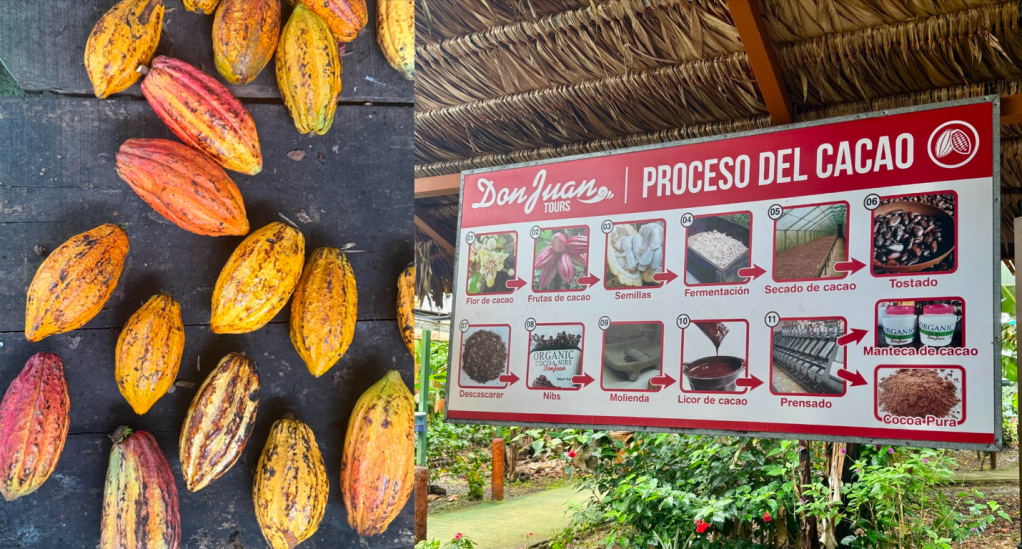
Travel with purpose. This means seeking experiences that allow you to bring home a greater appreciation for other cultures, a more connected worldview, and seeing a country for its true value rather than just its biggest attraction. Consider activities and tours that connect you with local culture, highlight traditional practices, and teach you about the relationships with place that shape everyday life. That might look like cooking classes focused on local cuisine, guided farm tours, or workshops where you can try your hand at traditional crafts.
Minimize your impact.
Treat others’ homes as you would your own. Bring your reusable water bottles and bags, stay on trails when exploring to keep ecosystems intact, and listen to and respect the advice of residents. Consider traveling off-season to help spread visitor numbers more evenly through the year. Choose your activities and tour providers with care and aim to book directly with them to avoid the fees third-party operators (such as Expedia or Viator) take. Never treat people as your props and only photograph people with express permission. Be careful what you share on social media with the risk of perpetuating stereotypes or revealing sensitive locations through geotagging.
Do your research and pay attention to local initiatives.
Do your research before you travel. Even spending a little time looking into a country’s history, culture, norms, laws, and movements will prepare you to enter informed, approach interactions with respect, and prevent you from mistakes like dressing inappropriately or disrespecting local customs. Ignoring the wishes of local communities, failing to recognize the expertise of the people who live there, and undermining environmental or community initiatives are hallmarks of bad tourism. It is important to appreciate that you are a visitor in a place where people live year-round and suffer the consequences of poor tourism.
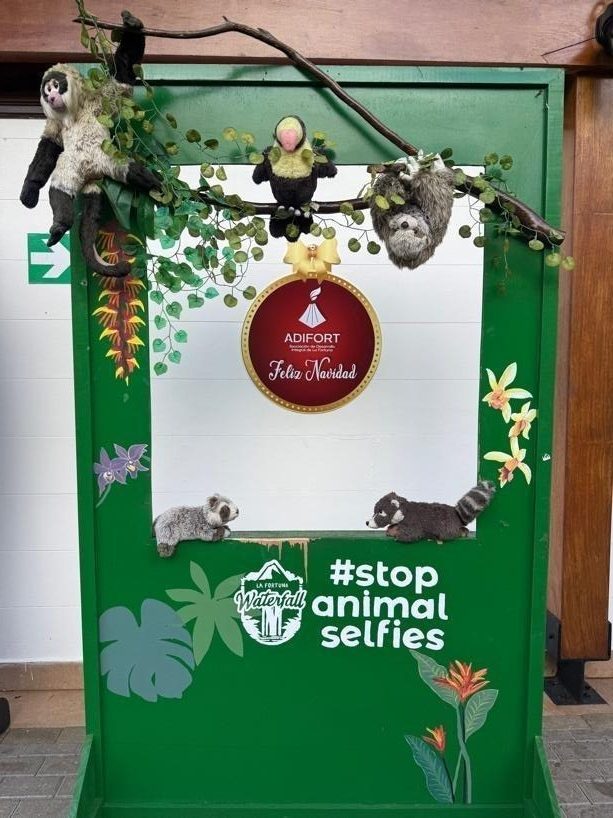
Take care of how you approach animal interaction or viewing. Thoroughly research any “sanctuaries” that you plan to visit (as this title can be misused) and visit ethical operations that support rescue and conservation. It is especially important to avoid any location that promotes riding animals, touching them, or watching them perform. These prioritize profit and entertainment over the welfare of living beings. The center I visited on my trip, Jaguar Rescue Center in Puerto Viejo de Talamanca, is supported solely through visitor contributions, donations, and volunteer work. While they receive no government funding, they rehabilitate hundreds of animals each year and use their earnings for projects like their Shock Free Zone initiative, which aims to insulate electric lines and install road crossings to prevent wildlife injury and death. They support Costa Rica’s #Stopanimalselfies movement by not allowing visitors to image themselves with their animals, reinforcing the message that wildlife are not props. Placing wildlife before tourists, they exemplify how conservation and tourism can connect ethically.
When we travel to places like Costa Rica (places that both greatly benefit from and are harmed by tourists), the degree to which we engage responsibly is up to us. It is important we do not see travel solely as an experience of place, but one of connection with those who live there. The negative impacts of travel are not limited to just its carbon load, its reconstruction of landscapes, or its impact on wildlife populations. They reach into labor exploitation, cultural erasure, and commodification of tradition. Acknowledging its negatives and avoiding extractive travel is the first step towards normalizing better practices and supporting sustainable tourism. My time in Costa Rica reiterated to me just how deeply culture and environment are intertwined, and why caring for the environment cannot be separated from caring for people. Now having returned, I see with a clearer lens how these relationships shape our communities and landscapes in Washington (or wherever we call home) all the same.
Approaching travel as a form of exchange, rather than consumption, can provide us with a greater appreciation for and understanding of our own homes and cultures. Travel has the power to change us, forming in us a greater desire to do good for the world at large. We give more and get more when we reflect on our place in the world and when we travel with thoughtful intention. I take on the responsibility of being a marine and environmental affairs ambassador here at home and when away, I encourage us all to do the same.
For readers curious about how their everyday lifestyle and travel contribute to global emissions, check out this carbon footprint calculator: https://www.footprintcalculator.org/For more detailed estimates and links to carbon offset options, check out: https://terrapass.com/carbon-footprint-calculator/
References
- Echeverri, A., Smith, J.R., MacArthur-Waltz, D., Daily, G.C. (2021) Biodiversity and infrastructure interact to drive tourism to and within Costa Rica. Proceedings of the National Academy of Sciences. https://doi.org/10.1073/pnas.2107662119
- Wilson, T. D. (2008). Introduction: The impacts of tourism in Latin America. Latin American Perspectives, 35(3), 3-20. https://doi.org/10.1177/0094582X08315760
- Rutty, M., Gössling, S., Scott, D., & Hall, C. M. (2015). The global effects and impacts of tourism: An overview. In The Routledge Handbook of Tourism and Sustainability. Routledge.
- Sealy, W. (2018). From Colonialism to Transnationalism: The Neo-Colonial Structure of Caribbean Tourism. 81–92. Tourism and sustainable development conference, 16-18.
- Gurran, N. (2018). Global Home-Sharing, Local Communities and the Airbnb Debate: A Planning Research Agenda. Planning Theory & Practice, 19(2), 298–304. https://doi.org/10.1080/14649357.2017.1383731
 Currents