Written by Anna Lewis
“The whole world is so greedy for more bathtubs that it has lost the stability necessary to build them, or even to turn off the tap. Nothing could be more salutary at this stage than a little healthy contempt for a plethora of material blessings.”
Aldo Leopold, A Sand County Almanac
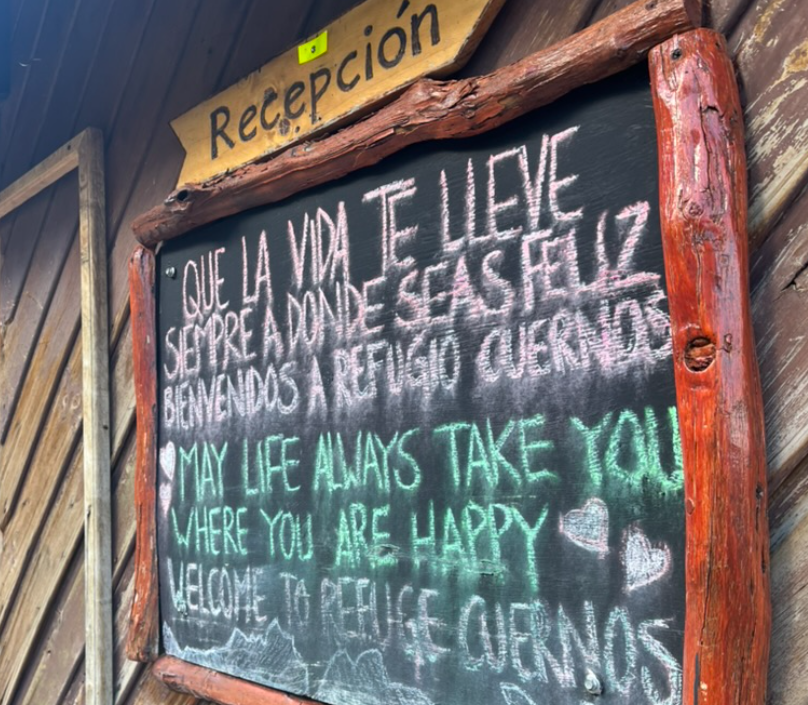
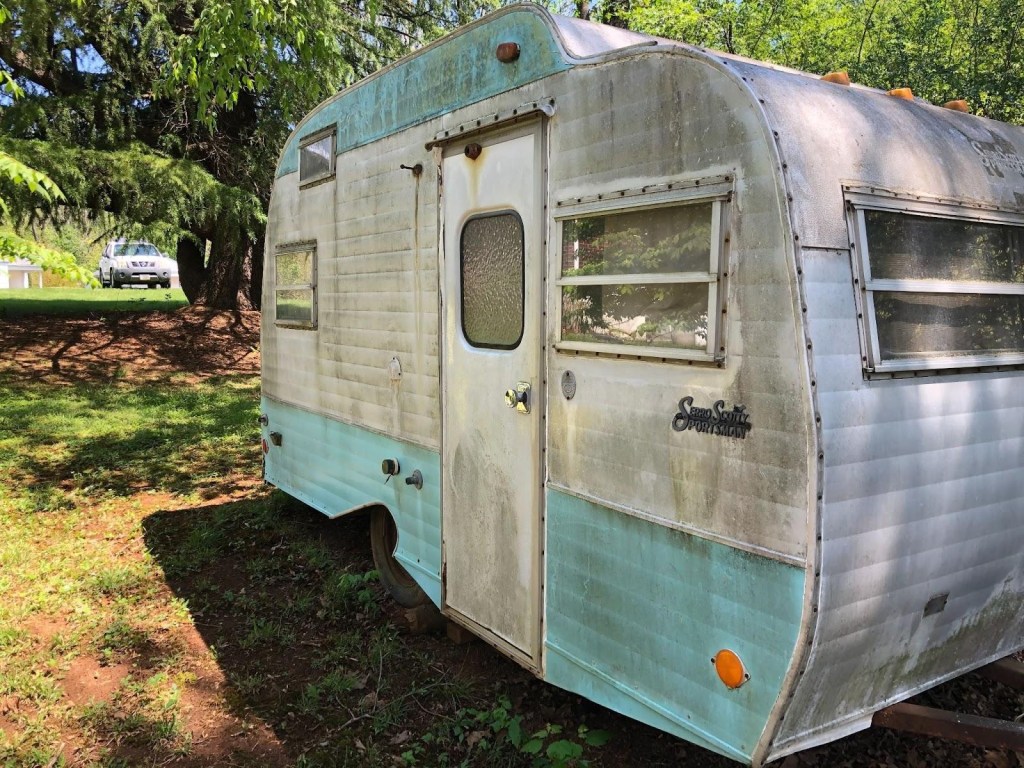
Large chunks of my childhood were spent barefoot or in the woods. So many chunks in fact, that I have now come to be known by those close to me as somewhat of a hippie. I dream about living in a van, up on a mountain, out of a backpack, in a camper, and on occasion, in a hammock. In theory, the smaller the better. This dream has been in the making for a long while. Countless notebook pages have been filled with doodled layouts of vintage airstreams, sprinter vans, and aluminum campers alongside lists of meticulously selected packing lists. Over time, what was once a fun challenge of seeing what I would bring with me if I lived in one of these moveable homes has now become more about how I want to live my life: with less stuff.
Before I knew what minimalism was, I read A Sand County Almanac by ecologist Aldo Leopold, which introduced me to what life could feel like if we reevaluated our definition of ‘enough’. Although the book was written in 1949, its wisdom transcends a mere description of the land around a humble author’s home, but instead critiques modern human behavior and our growing lack of connection to nature. To him, this lack of connection stems from the pursuit of comfort at any cost alongside unfettered economic growth. He says, “Our bigger and better society is now like a hypochondriac, so obsessed with its own economic health as to have lost the capacity to remain healthy” (xix). In this way, Leopold argues for simplicity rooted in ecological awareness as the solution to preserving our planet. Meaning that maybe, what is important has a lot to do with understanding our place in nature and simplifying down to the bare necessities: appreciation for what you have and where you are.
Maybe, what is important has a lot to do with understanding our place in nature and simplifying down to the bare necessities
In today’s society, daily life has become rooted in accumulation, and once I started minimizing, this undercurrent of ‘always wanting’ became even more apparent. I saw how overconsumption hurt the environment and wanted to be a part of the solution, even if my actions only impacted my own life. As I continued to learn, I realized the problem was much bigger than I imagined. Not only do Americans consume double the amount of material goods than they did 50 years ago, the average household owns around 300,000 items and uses only 20 percent of them. Considering that every “thing” must come from somewhere before it lands in our homes, this excessive level of consumption has disastrous impacts on the planet. In fact, nearly one-third of all natural resources on Earth have already been consumed, and largely by the United States. So why do we keep buying more things despite the damage? Is economic growth really that important?
Leopold says that “we can only be ethical in relation to something we can see, feel, understand, love, or otherwise have faith in” (251). So might it be that people are just not seeing or feeling or loving or understanding nature enough? That can’t be right. In 2025, the World Wildlife Fund found that 73% of Americans feel it is their civic duty to protect the environment and well over half (62%) believe they have a “personal responsibility” to take care of nature. Clearly there is a disconnect between what people say they value and how they go about valuing it. I decided if I was going to say I cared about the environment, I needed it to show in my actions by how much energy went into the “things” and experiences I had.

In the years after reading Leopold, I traveled and spent quite a bit of time thinking about what it is I really care about. I pared down constantly and learned minimalism isn’t just about owning as little as possible, but about “the intentional use” of what you have and the recognition of a personally defined point of ‘enough’. I learned consuming fewer material items is “one of the simplest environmental actions individuals can take.” Not only does consuming less mean fewer natural resources are used, but fewer emissions are released into the atmosphere by decreasing demand.
With a minimalist mindset, the intention behind buying more shifts to doing more with less. Contrary to capitalism where accumulation is expected to lead to increased happiness, minimalism is about increasing happiness by limiting possessions to make room for the things in life that truly matter. So I made sure every item I owned was frequently used and brought me joy that didn’t diminish over time. Seems like a monumental task to audit all the “things” in our lives, right? Maybe, but paring down becomes easy after the initial hard work of deciding to do it and putting care for the planet as the top priority. With this mindset shift, I was quick to know if something added value to my life and even quicker to know if I actually used it.
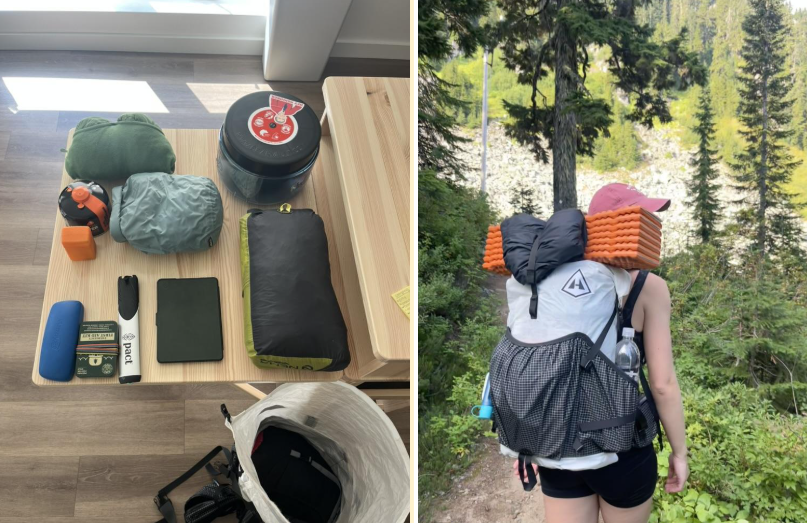
Backpacking is a great way to practice this mindset. Every piece of packed gear, food, and entertainment must be carried with intention — the lighter the better. For me, this means one hiking outfit, one sleeping outfit, four pairs of socks, my kindle, a puffer coat (regardless of temperature), essential food, a cook stove, first aid, a sleeping bag, and a tent. With a minimalist mindset, thinking about the double uses of things is crucial. The puffer jacket, for instance, also doubles as extra pillow support, or a place to sit while making food. Over the past summer, I used the grey stuff sack (pictured in the middle below) packed with my extra outfit as a pillow. Yet, minimalism is not about being uncomfortable. It turns out that going without a pillow was too minimal for me, and that’s okay to admit. My head wasn’t supported correctly which made sleeping hard and hiking even harder the next day. Minimalism isn’t about sacrificing comfort, but being intentional through the removal of excess, which can look different from person to person. What someone else needs on the trail will almost certainly be different than what I need. The same goes for life.
Minimalism isn’t about sacrificing comfort, but being intentional through the removal of excess, which can look different from person to person.
In my attempts to go lighter and lighter, a lot more of the world, or at least what I want from it, became more focused. Simplifying the clutter in my life allowed me more mental space to want to spend time with people, nature, and books that had sat on my shelves for years. I began to feel more hopeful about tackling the environmental crisis rather than feeling consumed by dread. I thought if I could change the way I thought about “stuff”, others could too. Instead of a train knocked decisively off track barreling towards a cliff, we can set things straight again by shifting our values. After all, mainstream conservation principles don’t present the most actionable steps towards addressing our relationship with consumption. And if they do, it is often to just “buy less,” not “change your relationship with stuff.” However, the core ethos of minimalism inadvertently offers a personal framework for reducing one’s environmental impact. It subtly asks its practitioners to reflect on how heavily they are treading on the earth and more importantly, why?
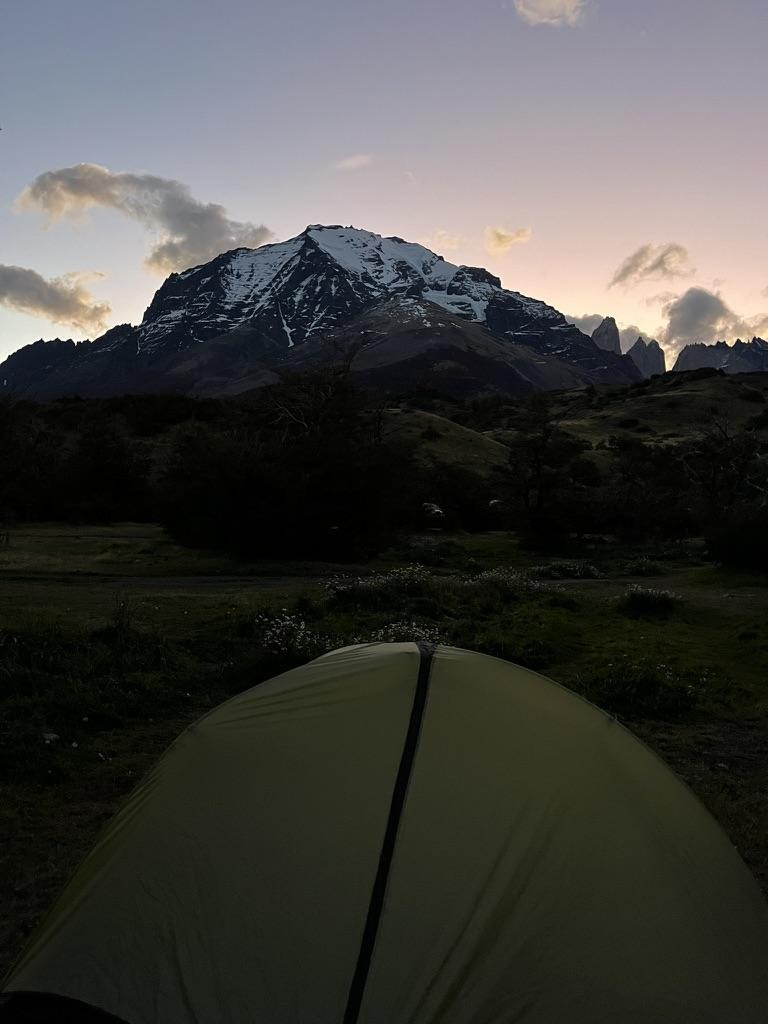
In the words of Leopold, who has so richly inspired environmentalists everywhere, “No important change in ethics was ever accomplished without an internal change in our intellectual emphasis, loyalties, affections, and convictions” (p.246). For some, even thinking about paring down is a nightmare composed of stressful choices and sacrifices. But it can also be about figuring out what you truly value and “turning off the tap” to what you don’t. In a society that values endless consumption at the cost of the planet, actionable hope is hard to come by. It’s easy to feel hopeless in our ability to do anything about climate change and the damage that has already been inflicted upon nature as a result of the habitual overconsumption we see in our societies. But the minimalist mindset might be just what the world needs to self-correct on a personal level.

