Written by Lia Minckler
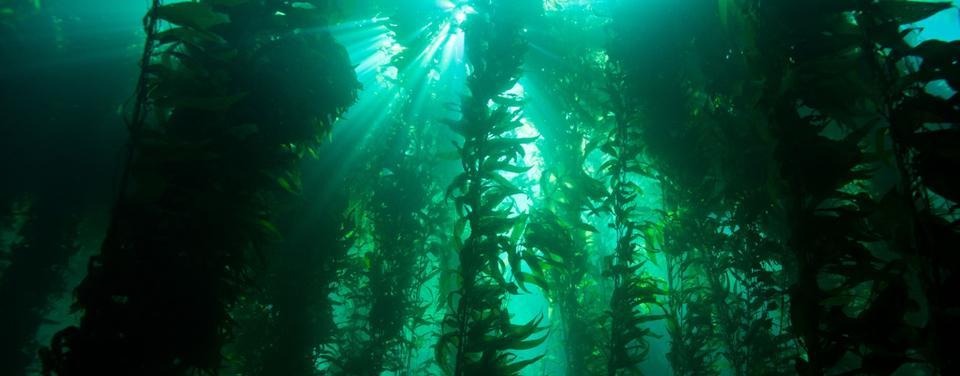
Kelp rarely gets the appreciation it deserves. To many, it’s the slimy tangle that gives you a fright when it brushes against your leg in the ocean, or the stinky, rotting seaweed mass that has washed ashore. But this unassuming marine plant is one of the most versatile and ecologically important resources on the planet. It’s used in cosmetics like toothpaste, shampoo, and face cream; it surprisingly makes for a tasty treat and important ingredient, appearing in recipes for cakes and puddings. It even has pharmaceutical uses as it’s proven to help reduce thyroid issues, improve gut health, and maintain a healthy weight. Beyond that, kelp plays a critical ecological role, forming underwater forests that shelter and sustain millions of marine species. Even with all those diverse roles, what kelp can be used for may be even more important than what it already does — especially in the fight against plastic pollution.
A growing concern over the last couple of years is the immense amount of plastic waste, particularly omnipresent microplastics, which have permeated the planet. Not even the highest peak of Mount Everest or the deepest depths of the Mariana Trench can escape these pernicious particles. They come from the breakdown of plastic products; for instance, synthetic polyester sheds microplastic fibers when it is washed and then spreads with the garment’s movement and wear. In 2020 alone, it’s estimated that 2.7 million tons of microplastics had seeped into the environment, which is about the same weight as 18,000 blue whales.
Not even the highest peak of Mount Everest or the deepest depths of the Mariana Trench can escape from these pernicious particles.
Once these particles enter the environment, they can spread easily, making their way through the air, water, and soil. About half of the plastic found in oceans each year is in the form of thin films, which are difficult to recycle and get easily mistaken for food by wildlife. They have been found in all parts of the food web, meaning all organisms are consuming microplastics. This demonstrates that plastic pollution has expanded beyond harm to human health, but threatens ecological systems on a global scale.
Efforts to reduce plastic use — such as shifts towards reusable grocery bags or bans on plastic straws — have helped raise awareness in recent years, but they have not been enough to significantly curb the problem. The European Union issued a directive in 2021 that banned certain single-use plastics when there are accessible, sustainable alternatives. The plastic producers are incentivized to develop their own eco-friendly solutions, as well as participate in funding cleanup costs for plastic pollution. This has led scientists and industries to search for alternative materials that are both sustainable and scalable. One promising solution is the development of bioplastics and biofuels derived from seaweed, particularly kelp.
Why kelp specifically? Other crops have been utilized in the bioplastic industry, mainly corn, sugarcane, and potatoes. Despite being plentiful, using those crops creates further competition in food production when food scarcity and hunger are already global issues. Seaweed farms don’t use excess freshwater or arable land. They don’t need to be fed, which makes them free from pesticides and fertilizers, and they have the added benefit of sequestering carbon, making them the most eco-friendly source for bioplastics. Giant kelp grow extraordinarily fast, averaging a growth rate of about two feet per day! Comparatively, a potato takes three to four months to become ready for harvesting. Kelp is regenerative; it can be gathered without killing the plant, which allows for continuous production. The process is similar to a haircut; growth still flows from the root, despite having a few trims now and then.

The process of converting kelp into usable materials is both efficient and innovative. After a few months of growth, the seaweed is harvested and processed to extract compounds that form gels and films—the building blocks of bioplastics. It gets washed, dried, and flattened. Sugars and starches from plants are added to its composition, and then tested for durability and elasticity. The remaining biomass from the extraction process can be repurposed into pellets for additional production cycles or converted into biofuels. Kelp-derived biofuels present an exciting opportunity as a renewable energy source, offering a cleaner alternative to fossil fuels while utilizing what would otherwise be waste material.
One disadvantage of kelp-based bioplastics is that the product is fairly weak compared to firmer types of plastics in circulation. However, research on this topic is still in its infancy, and there are numerous ways to improve the bioplastic formula, including the use of 3D printing and composite materials aimed at improving durability and expanding their product line. Additionally, since the method of converting kelp into a bioplastic is very similar to the way conventional plastics are made, existing factory and lab infrastructure could make an easy switch to using sustainable materials, evading mass layoffs in the current job market and presenting new job opportunities in this burgeoning bioplastic/biofuel industry.
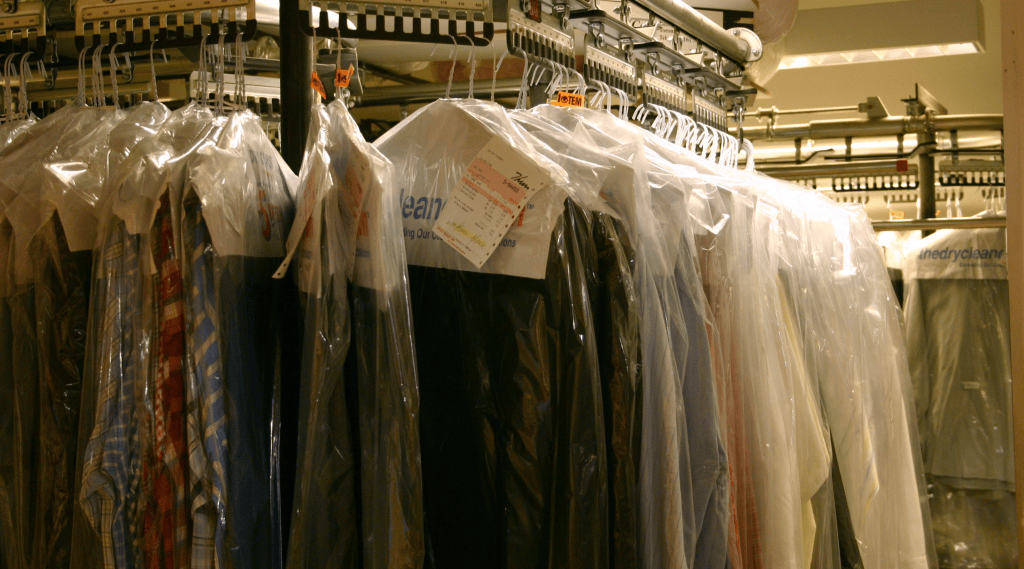
Kelp-based bioplastics are biodegradable and even edible, making them especially useful in food packaging. However, their most common current use is as thin films, similar to plastic wrap, and is already being tested in industries, like fashion, for garment packaging. Cheap garment bags at dry cleaners, or packages for overseas clothing shipments, are the perfect jumping-off point given the proven success of lightweight films made from kelp. This shifts the responsibility to industries and manufacturers to adopt bioplastics, rather than relying on individuals to choose between packaging options. With industries leading the transition, widespread adoption becomes far more achievable.
Kelp offers an innovative solution to our plastic pollution problem: a renewable, sustainable, low-impact alternative that won’t leave a trail of microplastics behind.
Despite slightly higher production costs, the economic gap between traditional plastics and kelp-based alternatives is narrowing, particularly as governments implement taxes and regulations on single-use plastics. In terms of raw bulk packaging, bioplastics cost on average about $.50-$.75 USD more per kilogram than regular plastics. However, this is notably still cheap, and a small increase isn’t sending any one industry into bankruptcy. For example, Shein is one of the premier fast-fashion brands that significantly contributes to ocean plastic pollution. Although they don’t disclose how much is spent on shipping and packaging costs, the company makes anywhere between 20-30 billion dollars in revenue each year.
Lots of countries, like India and those within the UK, incur Extended Producer Responsibility (EPR) fees if they use standard plastics. This pushes industries to adopt sustainable materials, making kelp-derived products increasingly competitive. Factoring in all the anti-single-use-plastic taxes along with burgeoning state plastic bans (such as California’s Responsible Textile Recovery Act of 2024), it will be cheaper to invest in bioplastics in the long term.
Kelp offers an innovative solution to our plastic pollution problem: a renewable, sustainable, low-impact alternative that won’t leave a trail of microplastics behind. The research around bioplastics is just beginning, but the field is rapidly gaining momentum as the world seeks ways to reduce dependence on single-use plastics. Even so, the most promising innovations cannot solve the plastic crisis alone. Meaningful progress will require systematic shifts in how industries produce materials as well as collective efforts to reduce unnecessary consumption. If we are serious about protecting our planet, we must invest in sustainable alternatives like kelp while also rethinking our relationship with plastic itself.
Check out Shaw Institute X Dirigo Sea Farm, Sway, and Kelpi to learn about the latest and greatest in kelp bioplastic research and innovation.

