Written by Jane Holiday
With each ebb tide, seawater recedes into the ocean, leaving behind small pockets of life accessible to the eager beachcomber. Tidepooling in the fall and winter months has become one of my favorite ways to explore the shore.
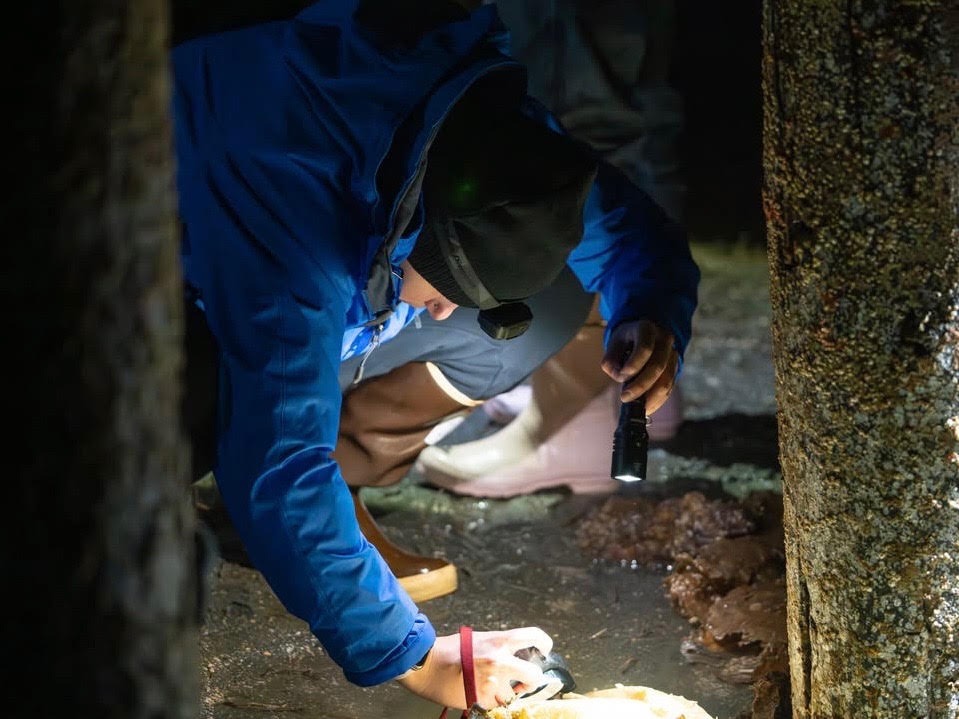
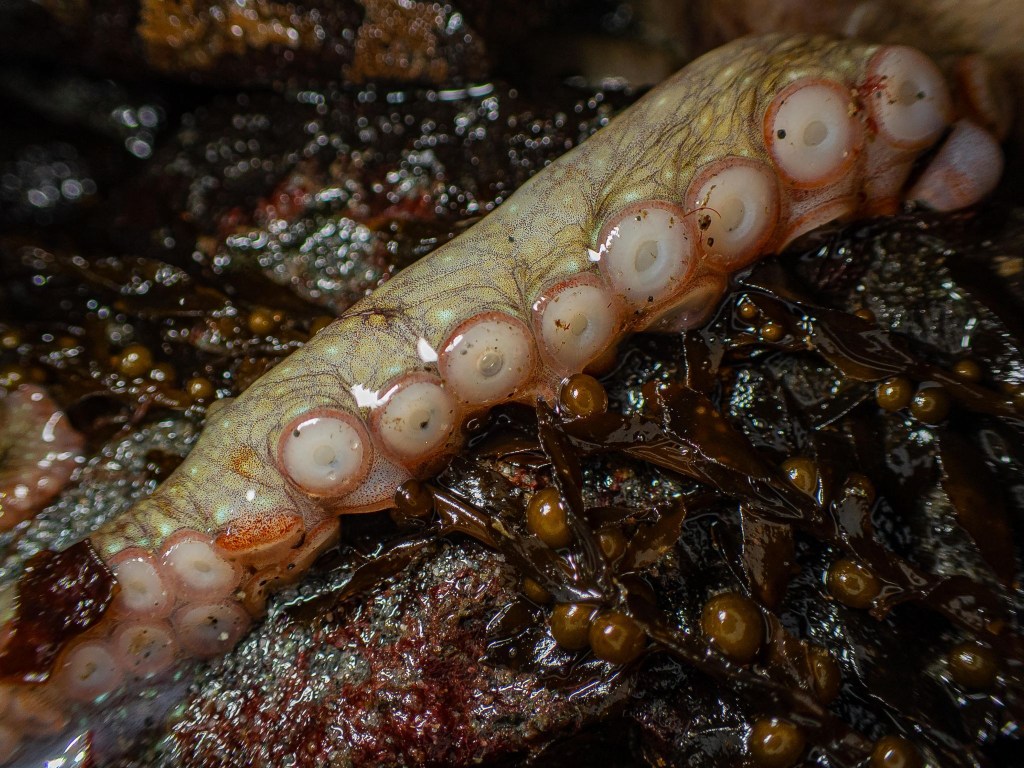
The darkness of the night transforms the shoreline, narrowing your gaze to what comes into view beneath the beam of your flashlight. The gentle creatures of the intertidal zone lie before you: hone in on a crab scurrying by your feet, or a sea pen swaying with the tide. If you’re lucky, perhaps you’ll spot a curious octopus.
Over the past few years, I’ve spent hours getting to know the rocky shores of the Pacific, home to a variety of flora and fauna. While well adapted to the harsh cycle of crashing waves, high winds, and environmental exposure, intertidal life has not yet adapted to human interference.
In this short guide, I will share the importance of stewardship, tide basics, and helpful resources to get you started.
The Importance of Stewardship
When I started my tidepooling journey, I was living in Warrenton, OR, a small coastal town between Seaside and Astoria. The beaches are generally quiet and sometimes I would be the only person on the beach at low tide.
Moving to Seattle was a bit of a culture shock for me. It was my first time ever living in a city, and in stark contrast to quiet Warrenton, the beaches at low tide were packed with people– some of whom did not share the same etiquette and respect that I have learned through the tidepooling community. I remember some of my first times exploring on a crowded beach. On those days of overwhelm, I took moments to watch the different ways people interacted with the shoreline. As I walked along the shore, I saw all kinds of interactions. Some people observed with wonder, curiosity, and respect; others were walking on anemones, peeling sea stars off rocks, or plucking fish from the water to show a friend.
I quickly realized the importance of tidepooling responsibly and teaching others that their impact on the shore matters. This applies not only to tidepools, but to nature in general. We should always be asking ourselves what kind of impact am I making on this ecosystem?
Another important question is what is the history of this location and how can I show respect? The lands and shorelines of Washington are deeply rooted in indigenous history, culture, and generations of stewardship (Consider checking this interactive map to learn more about the Indigenous lands, treaties, and languages connected to the places you visit). The more knowledge you have about a place’s background, ecosystem, and community, the more impactful your stewardship will be. If you approach the world with this perspective, you will be rewarded with the endless curiosities and wonders waiting to be explored.
Understanding Tides
To understand tidepools, it is first important to understand tides. Every day, our coastlines experience two high tides and two low tides, which are influenced by the gravitational pull of the moon on the earth. A full tide cycle lasts approximately 24 hours and 50 minutes, which is why the tides occur at different times each day. As a tidepooler, this is important since you’ll need to plan your outings around the constantly changing time of low tide.
In the Pacific Northwest, many of the lowest tides of the year occur during the daylight hours of the summer. Lesser-known are the negative tides that occur during the fall and winter months, when the tides occur during the night. As a result, fall and winter tidepooling offer a quieter experience, with fewer people at the beach.
Another component to better understand tides is knowing how to read a tide chart. The National Oceanic and Atmospheric Administration (NOAA) website is a great place to start. Each of the two high and low tides that occur every day vary in height. A tide of 0.0 ft is the Mean Lower Low Water (MLLW); anything below 0.0 is called a negative tide. Negative tides offer fantastic exposure needed to reach the deepest tidepools which are otherwise inaccessible. The lower the number, the better the tide.
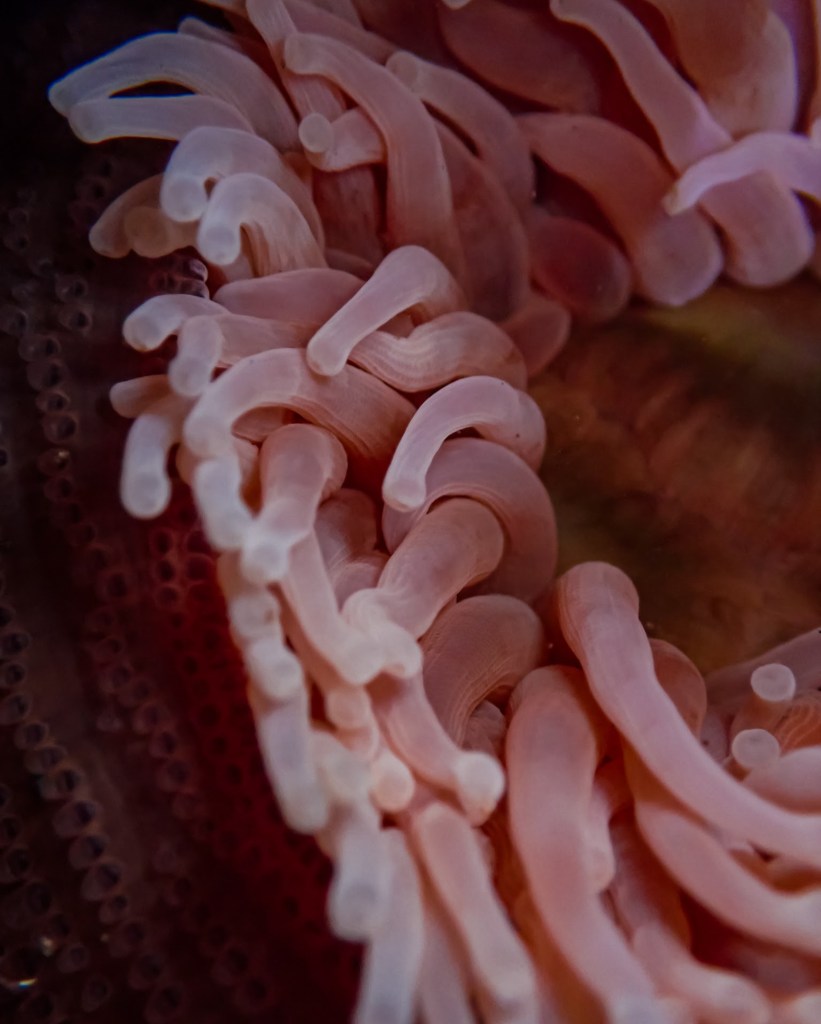
Tidepools are found within the intertidal zone, an area that is submerged underwater at high tide and exposed to air at low tide. Many species living in this environment are uniquely adapted to live both in and out of water. Anemones curl inward to conserve water, patiently waiting for the tide to return, while limpets use their suction-like foot to cling tightly onto hard surfaces while belted with powerful waves.
By combining timing with tidal height, you have crafted a perfect formula for tidepooling. Before going out, there are a few safety tips to keep in mind.
Safety
The dark, cold, and windy conditions of tidepooling at night, combined with water and uneven terrain can challenge even the most experienced tidepoolers. A golden rule when you’re at any shoreline is never turn your back on the ocean. Waves are unpredictable and conditions can change quickly, even at low tide. Also be wary of water displacement if you explore near a ferry terminal.
It is best practice to be aware of your surroundings and wear proper gear such as layers, a headlamp, and tall rain boots (see packing list at the bottom of the article for more details on gear). Look at a tide chart to plan ahead and arrive at least one hour early to allow for ample exploration time before the water slowly starts to come back to shore. I also recommend tidepooling with a buddy – not only is it more fun, but it can provide an extra level of comfort and safety.
Finding a beach can be challenging if you don’t know where to start, especially when it’s dark. If you want to tidepool at night, consider an initial visit to the beach during the day. Familiarize yourself with access points, high tide lines, and tripping hazards for a tidepool experience at night.
Conclusions
Tidepooling at night often means less crowds and fewer disturbances. The dark creates opportunities for quieter observation. With the quiet, arrives the same feeling I had tidepooling on the Oregon coast. The crash of waves invites a sense of wonder– what lies beyond the aura of a headlamp or flashlight?
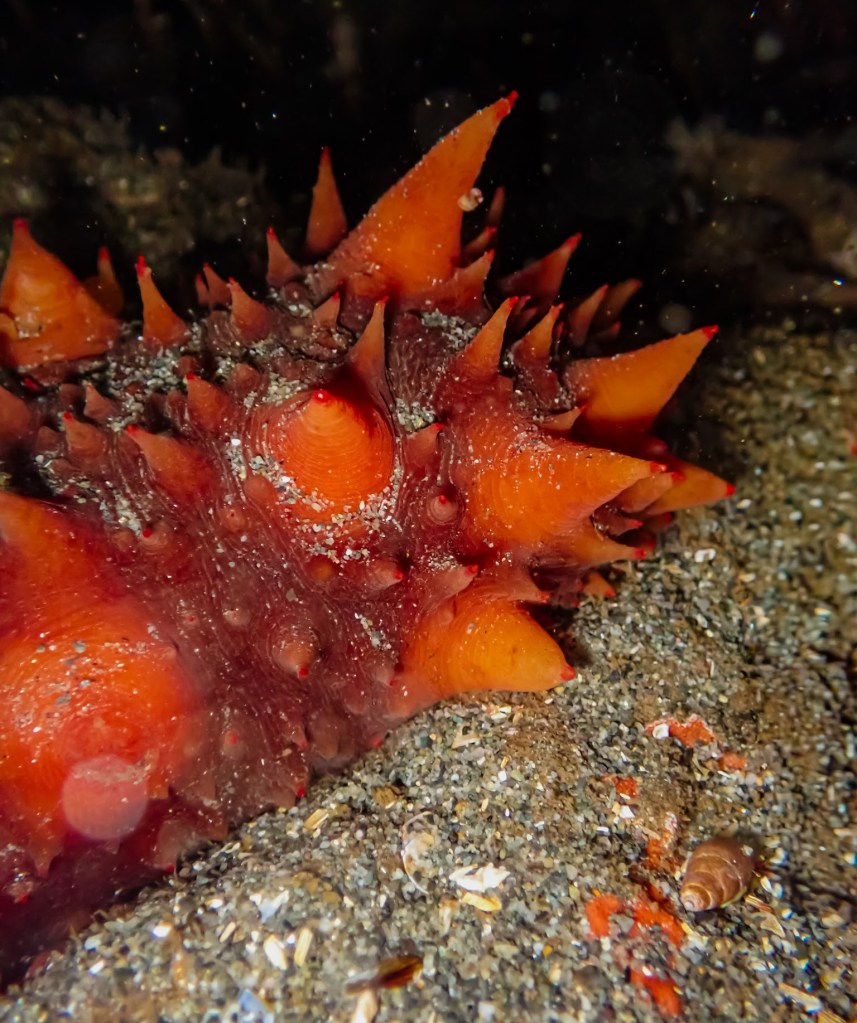
The beach feels different after dark. As seabirds and other daytime predators slumber, the intertidal awakens. Crabs scurry from their protected crevices while octopus take advantage of prey otherwise hidden during the day. Explore at night to view a different world, where crowds disappear and creatures emerge under the cover of darkness.
Tidepooling has become one of my favorite hobbies, regardless of the season. I hope that this guide can be a helpful resource during your first adventures into an incredibly biodiverse ecosystem. Your actions can have a big effect on not only the fragile world of the intertidal, but also on the growing community of those fascinated by the life in these areas. Tidepooling is more than just seeking rare organisms, it’s about learning to coexist in a way that helps preserve the wonder of the natural world for generations to come.
Happy tidepooling!
Tidepool Etiquette
When you visit the intertidal, it’s important to explore responsibly. Each of us affects this place, and we can decide what kind of impact we make. To help protect the amazing life here, keep the acronym SEAL in mind.
S – Spread Awareness: Share what you learn and encourage others to tidepool responsibly. The more people who know about protecting these habitats, the better chance these creatures have to thrive.
E – Explore Slowly: The intertidal is full of life. Some creatures are so small that it is hard to notice them. Take your time and be mindful of where you step. Moving slowly helps you see more, and keeps the animals and their home safe.
A – Avoid Touching Sensitive Species: Some animals like nudibranchs, fish, and sea stars, should never be touched. Nudibranchs and fish are sensitive, and touching them can cause stress or harm. Since 2013, sea stars have suffered from a deadly sickness called Sea Star Wasting Disease, which spreads easily through touch.
L – Leave Things Be: Part of the magic of the intertidal is in discovering life in its natural habitat. Rocks, shells, and seaweed are all sources of food and shelter for a multitude of creatures. Avoid relocating or removing what you find. In the words of my favorite local naturalist, Jen Strongin: “Bring friends to see your discoveries instead of bringing discoveries to your friends.”
Night Tidepooling Packing List
Now that you’re ready to hit the beach, here are some suggestions for night tidepooling.
- Layers! Layers are key to staying warm in the middle of the night in potentially rainy and windy conditions. Here is how I like to layer:
- Top:
- Outer shell: A warm, waterproof winter jacket or rain jacket
- Middle layer: Fleece or sweater
- Base layer: A long sleeve shirt or thermal
- Bottom:
- Outer shell: Rain pants
- Inner layer: Thermal, leggings, or joggers
- Top:
- Tall rain boots
- Winter hat
- Gloves for after. During, you will likely be getting your hands wet.
- Fanny pack, backpack, or small bag that can stay securely on you.
- Flashlight and head lamp
Optional:
- Camera
- UV light (some species glow!)
- A thermos of hot tea to warm up after a chilly night
Helpful resources:
For learning alongside beach naturalists, online field guides, and other helpful resources for starting out, check out the Seattle Aquarium Beach Naturalist program: https://www.seattleaquarium.org/explore-the-aquarium/programs/beach-naturalist/
For learning about nature events and happening throughout Seattle (Updated weekly):
https://www.seattlenaturalists.com
Below are two books I recommend. One is a field guide, which will come in handy for identifying organisms. The second is an interpretive guide to learning about beaches and tidepools, written by SMEA faculty Ryan P. Kelly and retired SMEA faculty Terrie Klinger:
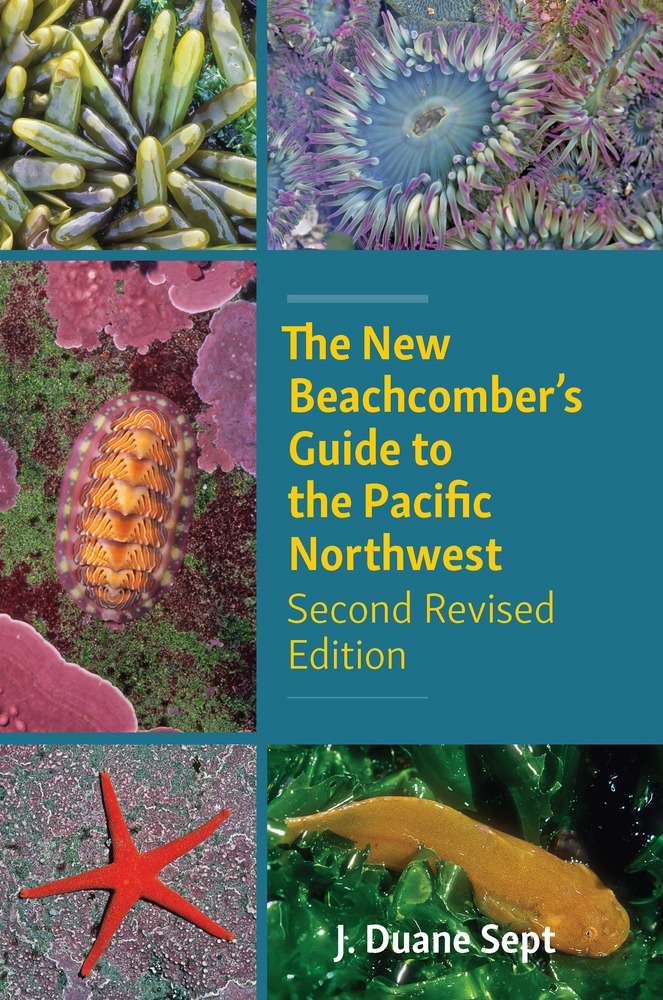
The New Beachcomber’s Guide to the Pacific Northwest, by J Duane Sept, Harbour Publishing, 2024.
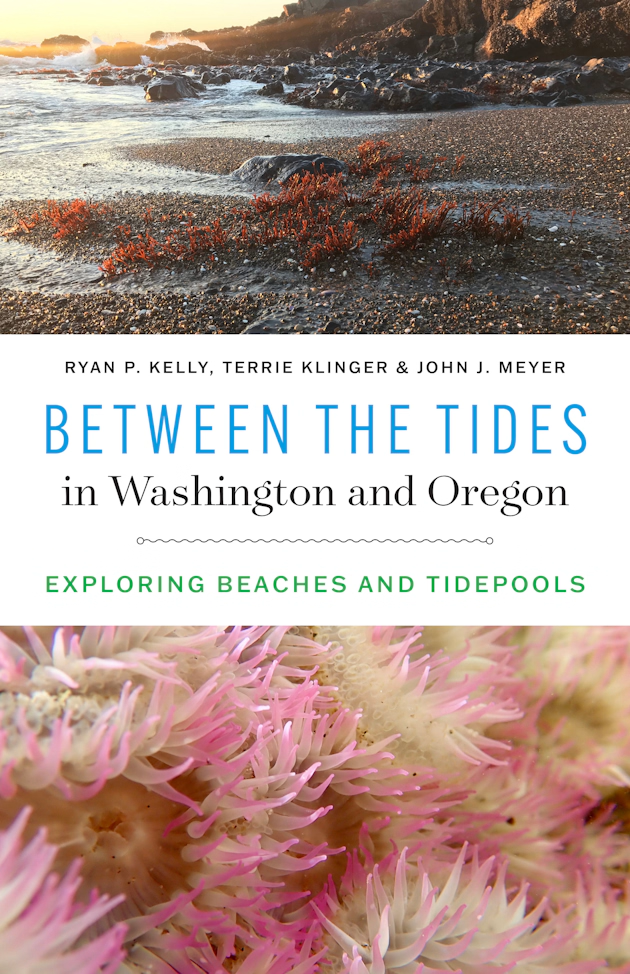
Between the Tides in Washington and Oregon: Exploring Beaches and Tidepools, by Ryan P. Kelley, Terrie Klinger, and John J. Meyer, University of Washington Press, 2022.

